
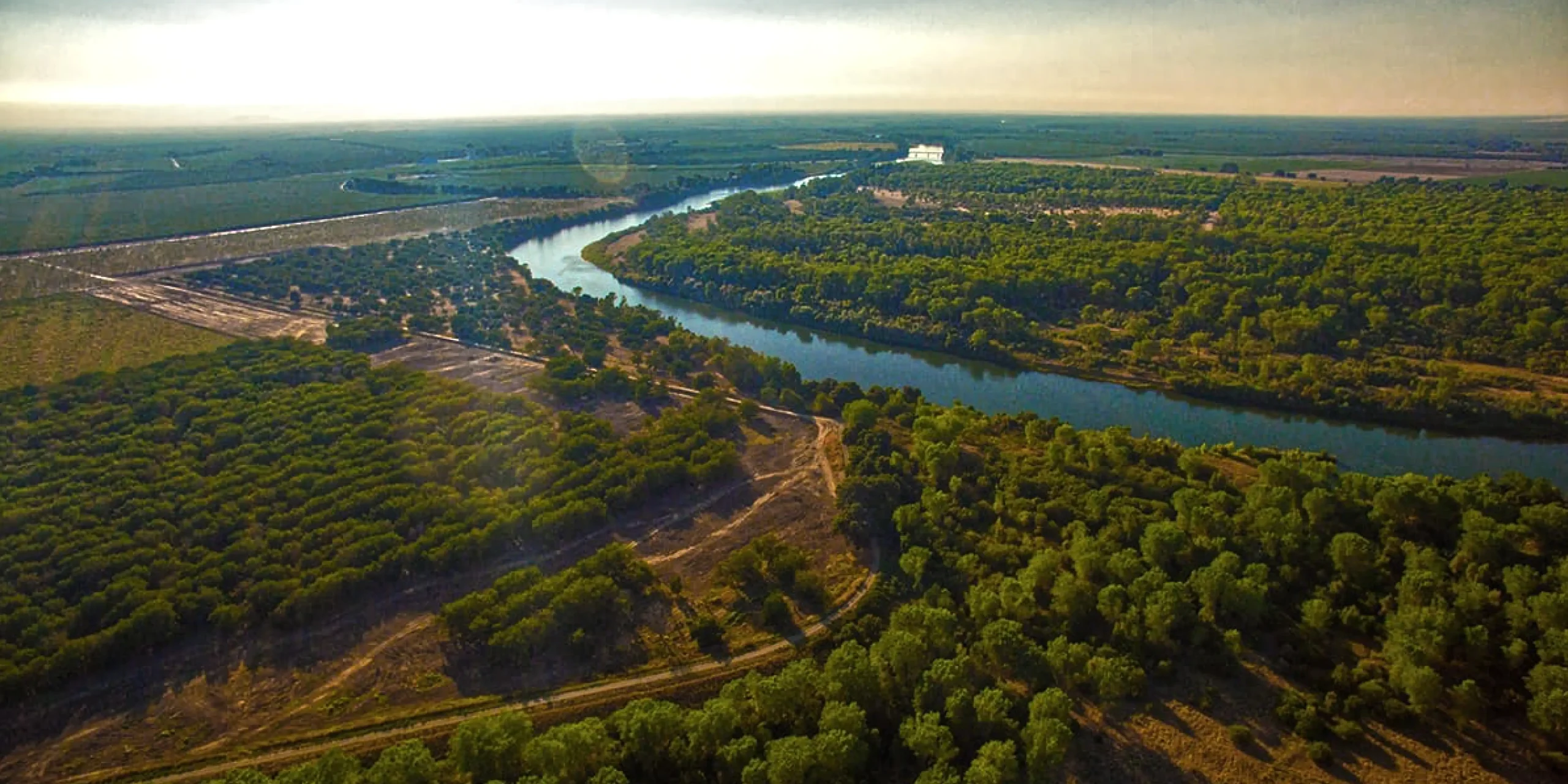
The Hamilton City Phase 2B Levee Setback and Ecosystem Restoration Project is a cornerstone of a historic federal effort to combine flood risk reduction with large-scale ecological revitalization. As part of the broader Hamilton City Flood Damage Reduction and Ecosystem Restoration initiative, Phase 2B represents the final major construction phase in a multi-year, multi-million-dollar endeavor led by the U.S. Army Corps of Engineers (USACE). Located in a historically flood-prone zone along the Sacramento River, the project’s core objective was to replace the aging “J” levee with a modern, engineered setback levee to protect Hamilton City and its surrounding agricultural region. In parallel, the project reconnected nearly 1,400 acres of historic floodplain to the river channel to restore native ecosystems once cut off from natural flows. Construction began in April 2020 under Contract No. W9123819C0044, with James Fisher Jr. Excavating and Anderson Dragline as lead contractors.
Beyond the levee infrastructure, the project incorporated extensive environmental and community benefits. Restoration activities included planting more than 67,000 native trees and shrubs, reestablishing riparian habitat, and installing new water infrastructure to support the flood protection system. Collaboration with The Nature Conservancy and Reclamation District 2140 was central to engaging community stakeholders and securing ecological outcomes. Despite logistical challenges and complex permitting, the project advanced steadily, delivering long-term regional resilience while setting a national precedent for integrated design. With a total investment exceeding $125 million as of 2024, the project is now recognized as a pioneering model in federal civil works programming.
Engineering Resilience—Restoring Nature and Protecting Hamilton City
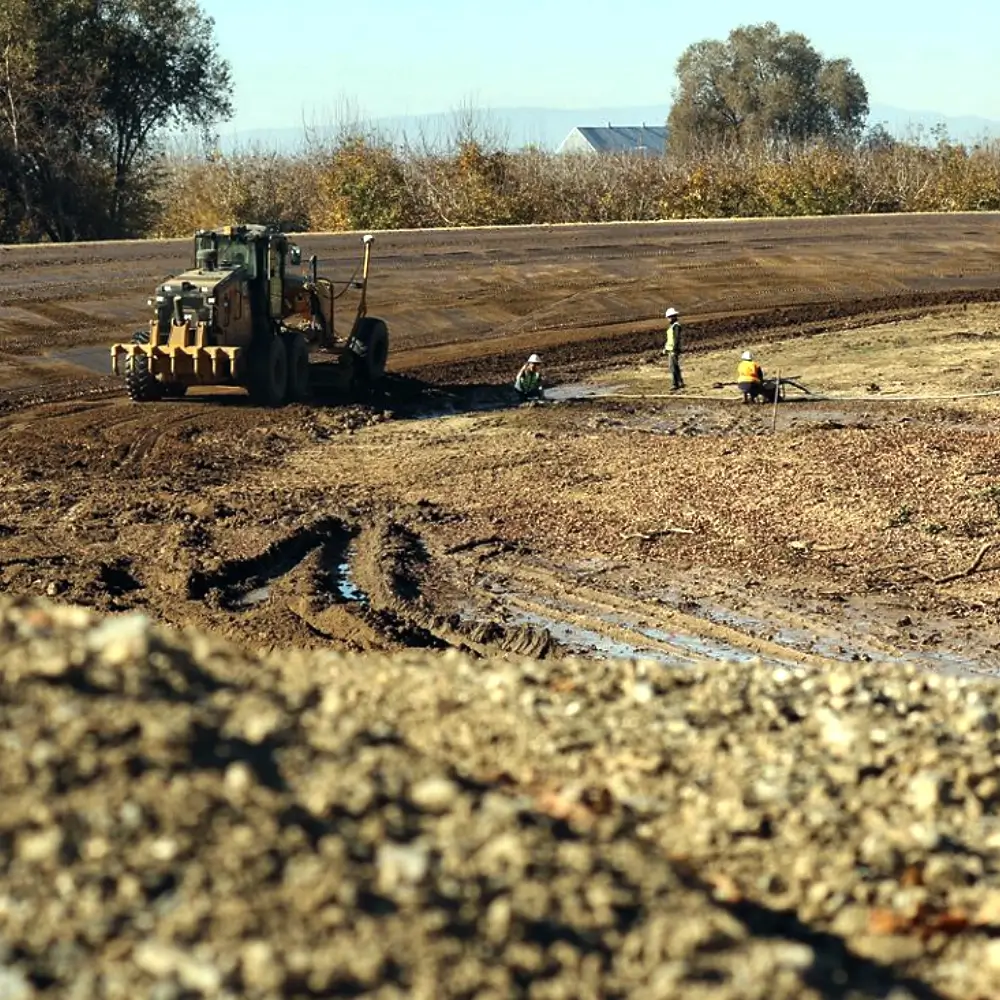
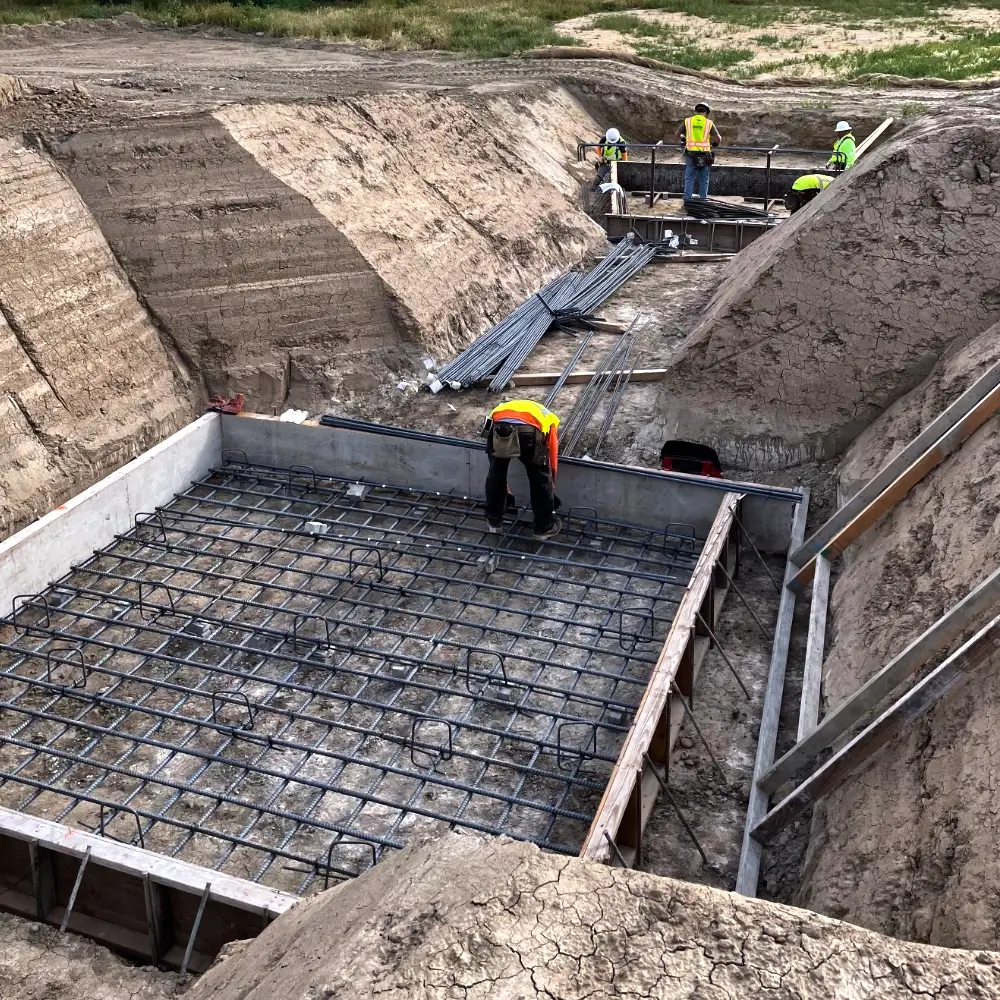
The vision for Phase 2B was to provide Hamilton City with reliable, modern flood protection while restoring vital riverine and floodplain ecosystems. USACE and its partners sought to demonstrate that engineered solutions could also yield ecological recovery. The project’s dual mission directly supports national goals for climate resilience, endangered species recovery, and sustainable land management. By reconnecting the Sacramento River to its historic floodplain, the project also contributes to long-term environmental and agricultural health. It stands as a replicable blueprint for how infrastructure can serve both people and ecosystems.
- Final 1.25-mile construction of a 6.8-mile setback levee
- Reconnection and restoration of approximately 1,400 acres of native floodplain habitat
- Planting of 67,000 native trees, shrubs, and groundcover species
- Construction of a new pump station and integrated drainage improvements
- Ongoing ecosystem monitoring and adaptive management
- Collaborative coordination with The Nature Conservancy and Reclamation District 2140
Hamilton City lies at a bend in the Sacramento River, about 90 miles north of Sacramento, in an area long vulnerable to levee breaches and flood damage. Historically protected by the substandard “J” levee, the town and surrounding farmland faced annual risk. The project site encompasses active riverbank, reclaimed floodplain, and agricultural edges that form a complex hydraulic and ecological system. The surrounding area also serves as habitat for endangered fish and bird species, adding layers of environmental importance. Site-specific hydrology and community infrastructure required a tailored levee alignment and ecological strategy.
- September 2019 – Contract awarded to James Fisher Jr. Excavating
- April 2020 – Start of Phase 2B levee construction
- November 2022 – Completion of setback levee segment
- 2023–2024 – Ecosystem restoration and adaptive management period
Phase 2B exemplifies innovation through its integration of civil infrastructure with ecological restoration, a first for USACE. The setback levee design allows the river to reclaim its natural floodplain, enhancing flood absorption, groundwater recharge, and sediment deposition. Habitat restoration supports native biodiversity while reducing erosion and long-term maintenance costs. Sustainability was further achieved through collaboration with conservation groups and adaptive monitoring to ensure long-term performance. The project offers a replicable model for balancing engineering reliability with environmental stewardship.
The project provides Hamilton City with a 1-in-75-year level of flood protection, dramatically improving public safety and economic stability for this rural community. It protects homes, schools, and thousands of acres of prime agricultural land, while opening up new recreational and educational opportunities through restored public land. Regionally, it contributes to California’s broader resilience goals and supports habitat corridors for federally listed species. The project also catalyzed community engagement around conservation and water management. It has become a model of integrated infrastructure that advances both human and natural system resilience.
Connect with an ACE Quality Control Project Manager to see how our hands-on approach, technical depth, and disciplined oversight set us apart.