
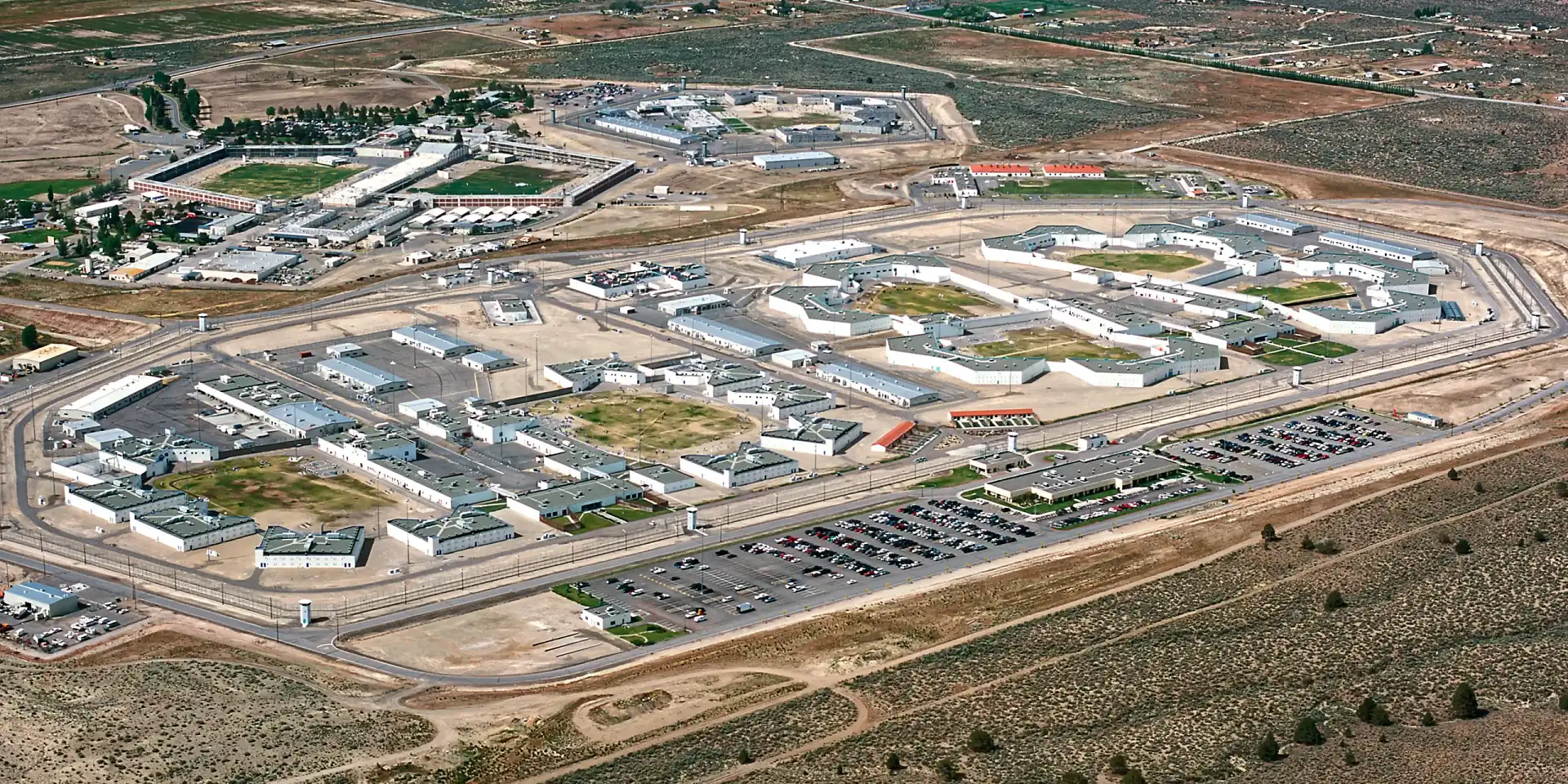
The High Desert State Prison (HDSP) Health Care Facility Improvement Program, located in Susanville, California, was a key element of the California Department of Corrections and Rehabilitation’s (CDCR) statewide effort to remediate deficiencies in correctional health care infrastructure. The project focused on upgrading and expanding on-site medical facilities to meet modern clinical standards while maintaining continuous operations within an active maximum-security prison. Scope elements included multiple building additions, targeted renovations to existing structures, construction of a new health care building, and supporting site and infrastructure improvements. The work was executed under strict security, phasing, and access constraints inherent to an occupied correctional environment.
The HDSP improvements were delivered in parallel with similar health care upgrades at the adjacent California Correctional Center (CCC), requiring heightened coordination across facilities, contractors, and state stakeholders. Construction was completed in just under two years, with an estimated construction value of approximately $9 million for HDSP. ACE provided comprehensive special inspection and materials testing services to support quality assurance, regulatory compliance, and risk mitigation throughout construction. The project strengthened CDCR’s ability to deliver constitutionally adequate health care without expanding inmate housing capacity.
Modernizing correctional health care infrastructure while maintaining secure, uninterrupted operations.
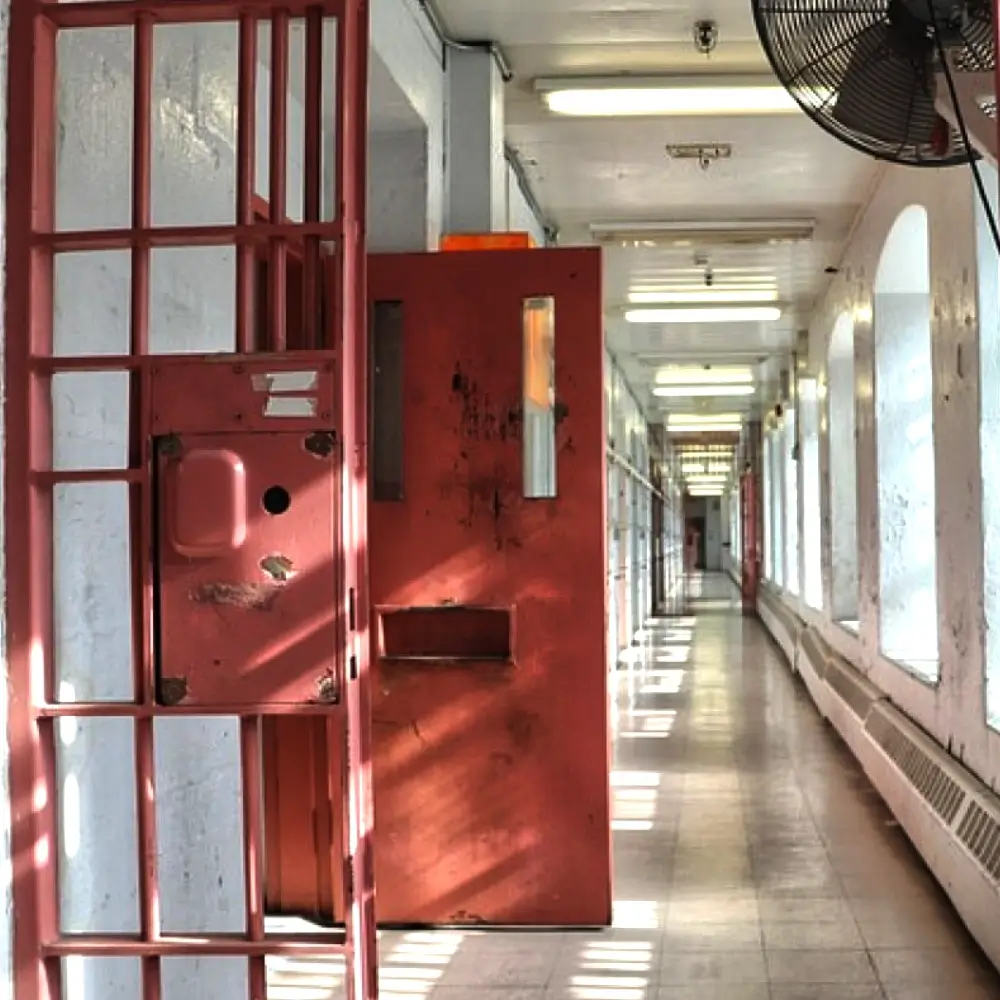
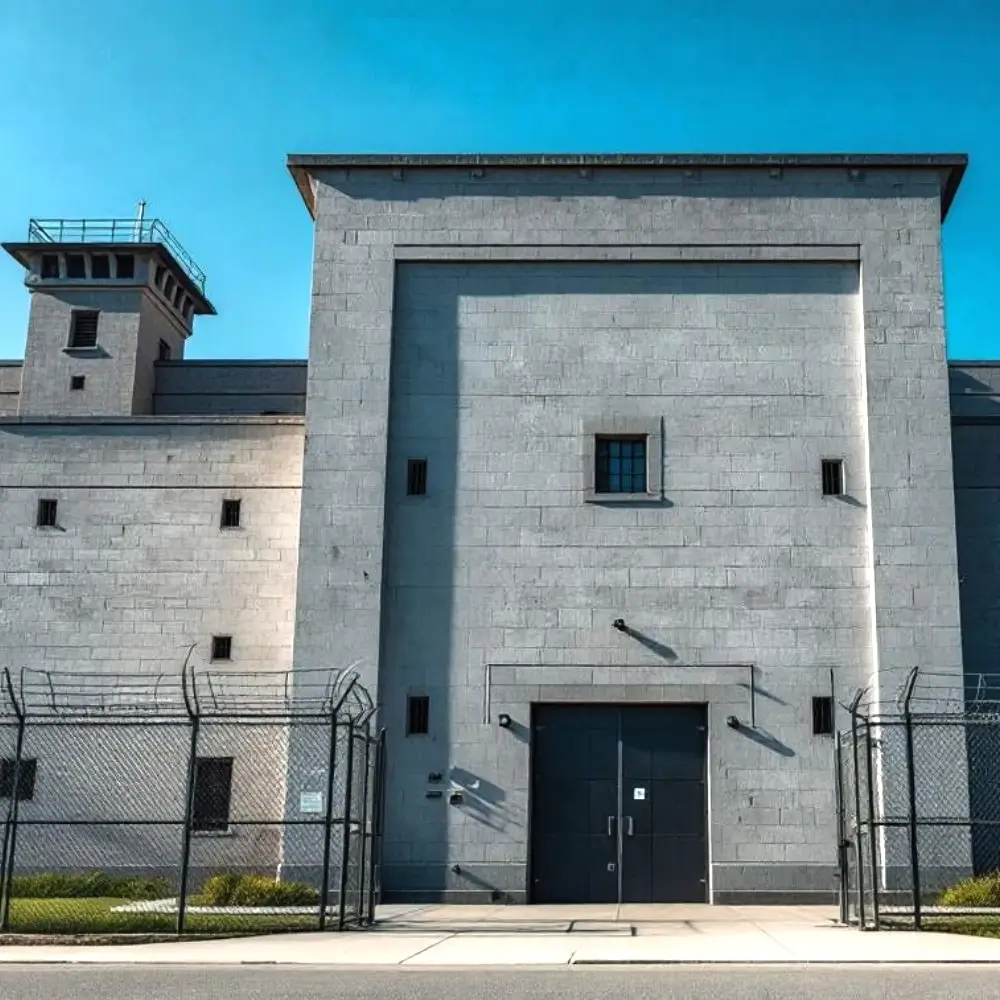
The strategic vision for the HDSP Health Care Facility Improvement Program was to modernize aging medical infrastructure in response to statewide correctional health care mandates and long-term operational needs. The project emphasized durability, constructability, and life-cycle performance within a high-security environment. Design and construction decisions prioritized patient safety, staff efficiency, and regulatory compliance without introducing new inmate beds. Phased implementation minimized disruption to prison operations and health services delivery. The project reflects CDCR’s broader commitment to systemic correctional health care reform.
- Five building additions supporting expanded clinical and support functions
- Five building renovations to modernize existing medical and support spaces
- One new standalone health care facility
- Site work and infrastructure upgrades to improve utility reliability
- Structural, civil, and architectural improvements integrated with existing facilities
High Desert State Prison is located in a remote high-desert region of Northern California, characterized by challenging climate conditions and limited logistical redundancy. Construction occurred entirely within an operational maximum-security prison, requiring strict adherence to security protocols, controlled material deliveries, and coordinated access windows. Existing utilities, constrained staging areas, and aging infrastructure influenced construction sequencing and inspection planning. Concurrent health care facility improvements at the nearby California Correctional Center further increased coordination demands. These conditions required disciplined planning and proactive field coordination.
- 2013–2014 – Design development and preconstruction coordination
- 2014 – Construction commencement
- 2014–2015 – Phased construction of additions, renovations, and infrastructure upgrades
- 2015 – Project completion and facility commissioning
Although formal sustainability certification was not a primary objective, the project incorporated durable materials and system upgrades to reduce long-term maintenance and operational risk. Renovation and reuse of existing facilities minimized additional land disturbance and maximized the value of existing assets. Infrastructure upgrades improved system reliability in a remote location with limited external support. Construction sequencing strategies reduced rework and waste under constrained site conditions. These measures collectively supported long-term operational resilience.
The HDSP Health Care Facility Improvement Program represented a significant public investment in Susanville and the surrounding Lassen County region. The project supported regional contractors, suppliers, and skilled labor over the multi-year construction period. Improved on-site health care facilities reduced systemic risk to the State of California by strengthening compliance with mandated standards of care. The upgrades also enhanced working conditions for medical and custodial staff. As a major state facility, HDSP continues to serve as a stabilizing economic presence in the region.
Connect with an ACE Quality Control Project Manager to see how our hands-on approach, technical depth, and disciplined oversight set us apart.