
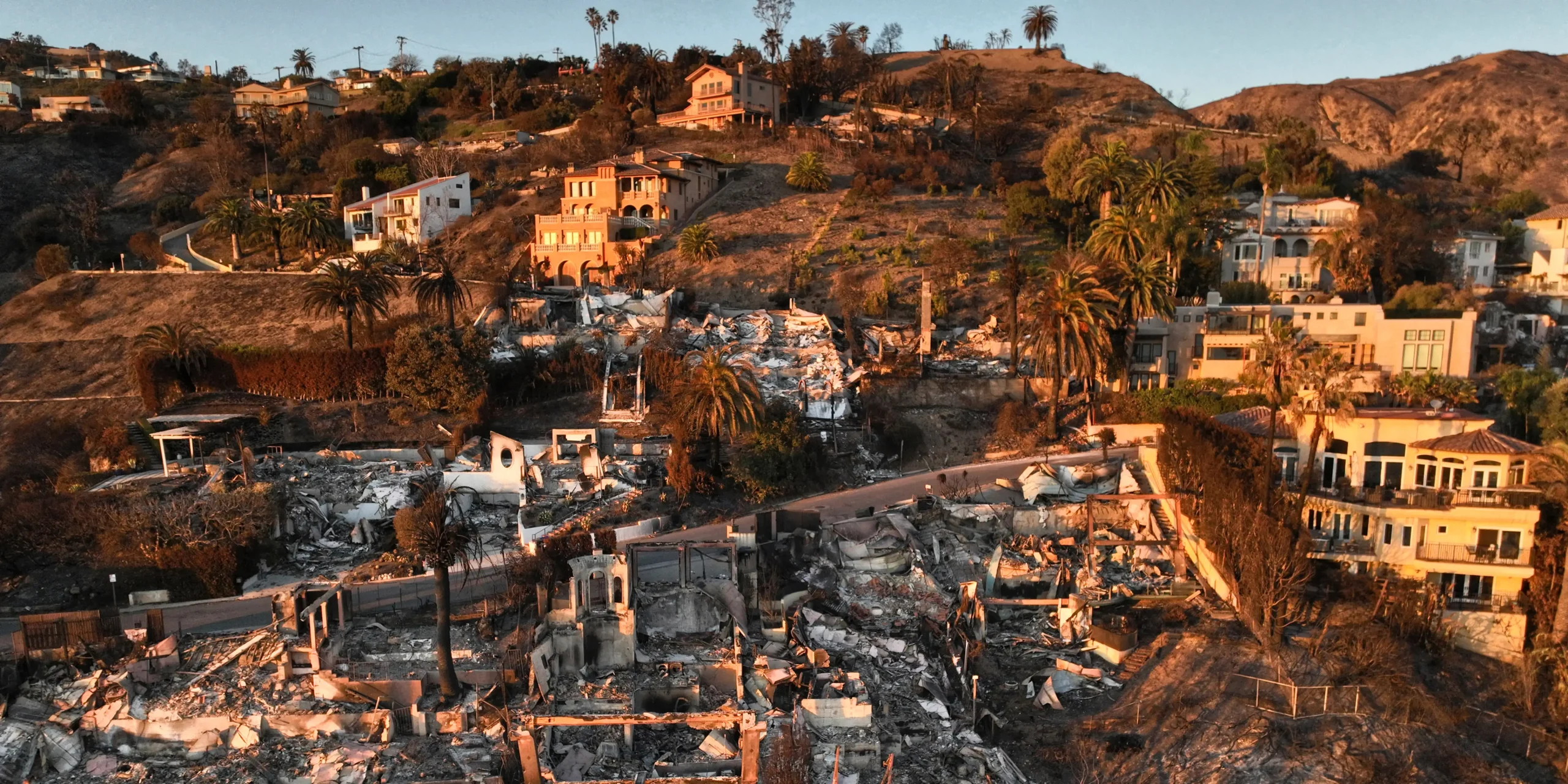
The Malibu Residential Re-Build represents a comprehensive effort to restore and enhance homes devastated by the 2018 Woolsey Fire, one of the most catastrophic wildfires in California’s recorded history. Spanning over 96,000 acres and destroying more than 1,500 structures across Los Angeles and Ventura counties, the fire left lasting impacts on the Malibu community. In response, a multi-agency recovery strategy was launched to support rebuilding homes with updated fire safety, structural resilience, and sustainability standards. The project was driven by a collaboration among local residents, city officials, architects, engineers, and contractors—all working under an expedited permitting process to rebuild smarter and safer. As of 2023, dozens of new homes have been completed, with hundreds more in various stages of design and construction.
Beyond restoring the physical fabric of the community, the initiative prioritizes long-term safety and environmental adaptation in a region prone to fire and erosion risks. New homes incorporate fire-resistant materials, enhanced defensible space, and energy-efficient systems that meet or exceed California’s updated building codes. Technical assistance, financial counseling, and community engagement have supported displaced homeowners through each step of the recovery. The project’s success has received praise across California for its balance of urgency, quality, and resilience. As recovery continues, the Malibu Residential Re-Build stands as a powerful symbol of post-disaster renewal and climate-adaptive planning.
Rebuilding stronger—resilient homes for a fire-adapted future in Malibu.
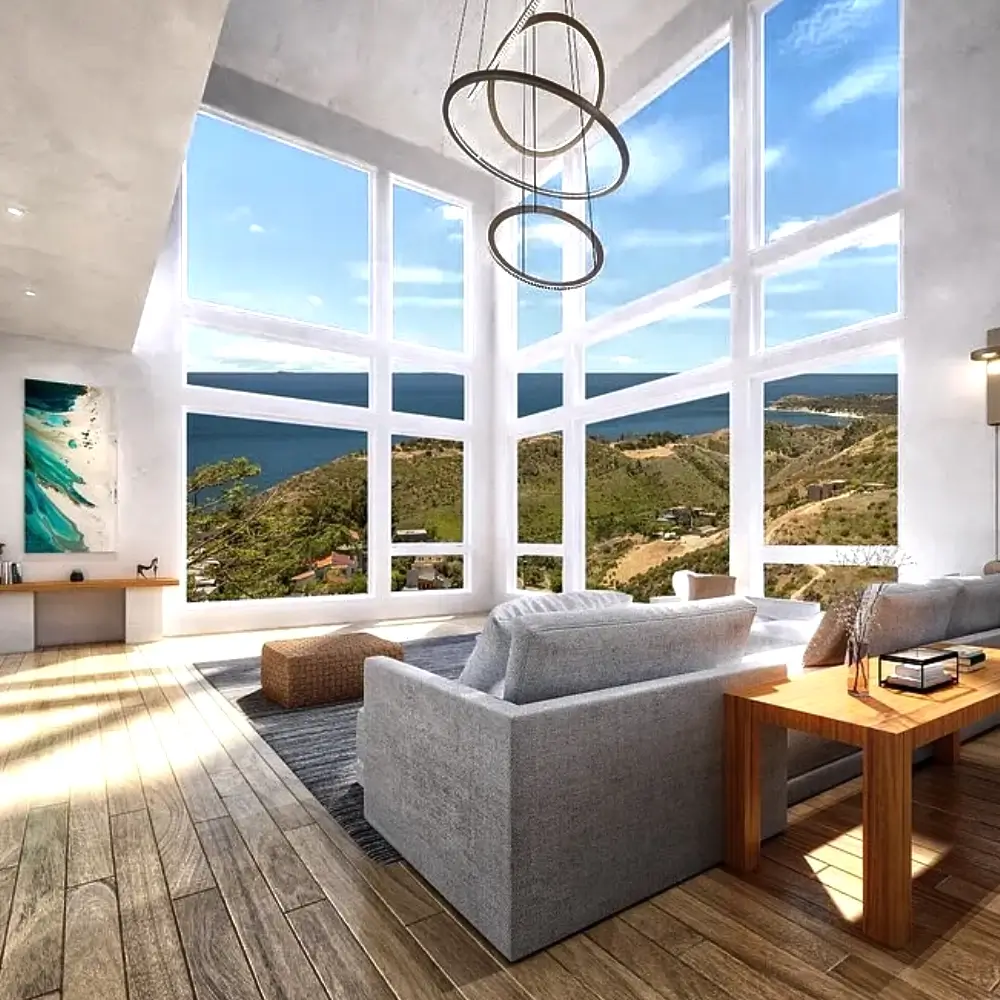
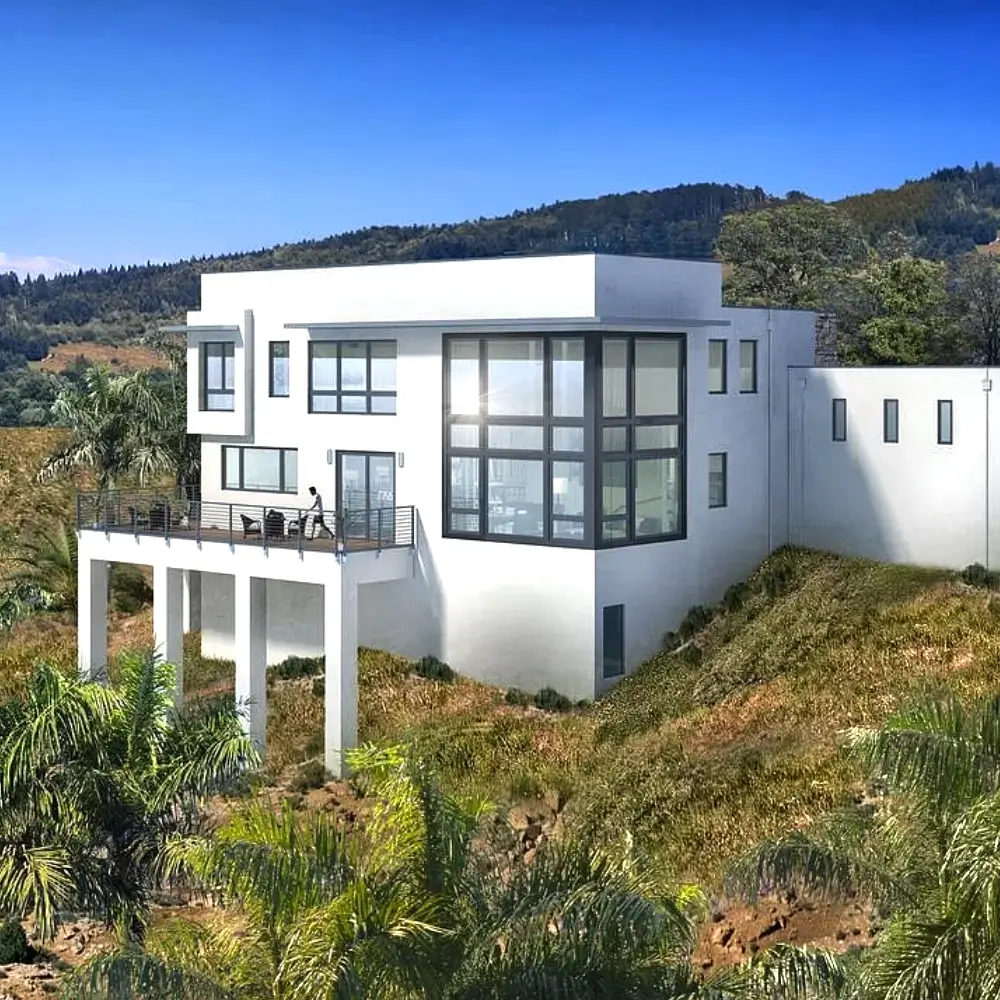
The Malibu Residential Re-Build initiative was conceived with a dual purpose: to rapidly restore residential life after disaster while elevating standards for safety, sustainability, and equity. The strategy focuses on resilience-driven design, simplified permitting, and emotional and technical support for displaced families. It fosters partnerships between government agencies and private sectors to expedite housing recovery and mitigate future risk. The re-build process integrates emerging climate adaptation principles into community planning. Ultimately, the vision is to build back better—ensuring long-term safety without compromising livability or architectural character.
- Reconstruction of single-family homes using fire-resistant and hardened materials
- Enforcement of updated building codes and defensible space requirements
- Coordination with insurance agencies, inspection services, and permitting bodies
- Integration of solar-ready infrastructure, water-wise landscaping, and efficient systems
- Community engagement, case management, and educational outreach for residents
Malibu’s geography—spanning coastal bluffs, steep hillsides, and vegetated canyons—creates a complex context for residential recovery. While offering scenic beauty, the terrain heightens exposure to wildfire, landslide, and erosion hazards. The re-build strategy incorporates slope-specific foundation design, erosion control systems, and wildland-urban interface (WUI) mitigation techniques. Homes are sited and oriented to reduce fire spread while preserving views and privacy. Access to main evacuation routes and emergency services was a key consideration in layout and infrastructure planning.
- Late 2018– Damage assessment, emergency coordination, and early recovery planning
- 2019– Launch of streamlined permitting and homeowner technical assistance programs
- 2020–2023– Ongoing home construction, infrastructure upgrades, and phased move-ins
- 2023–onward– Continued support for rebuilding, resilience planning, and community revitalization
Reconstructed homes are designed with sustainability as a foundational principle, utilizing solar-ready infrastructure, high-efficiency HVAC systems, and non-toxic, low-VOC building materials. Site development emphasizes fire-adaptive and low-impact landscaping, stormwater management, and water conservation. Passive solar orientation, operable windows, and insulation standards help minimize energy loads. Builders are encouraged to exceed CALGreen and Title 24 energy benchmarks. The initiative serves as a replicable model for climate-resilient, post-disaster housing statewide.
The Malibu Residential Re-Build restores housing and hope for a community deeply affected by environmental disaster. It brings emotional and economic stability to families while stimulating local construction, real estate, and service sectors. The program has influenced statewide wildfire recovery policies by demonstrating how fast-track rebuilding can be balanced with resilient design. It reinforces Malibu’s identity as a strong, unified community prepared for the future. The project continues to shape best practices in recovery planning for vulnerable California communities.
Connect with an ACE Quality Control Project Manager to see how our hands-on approach, technical depth, and disciplined oversight set us apart.