
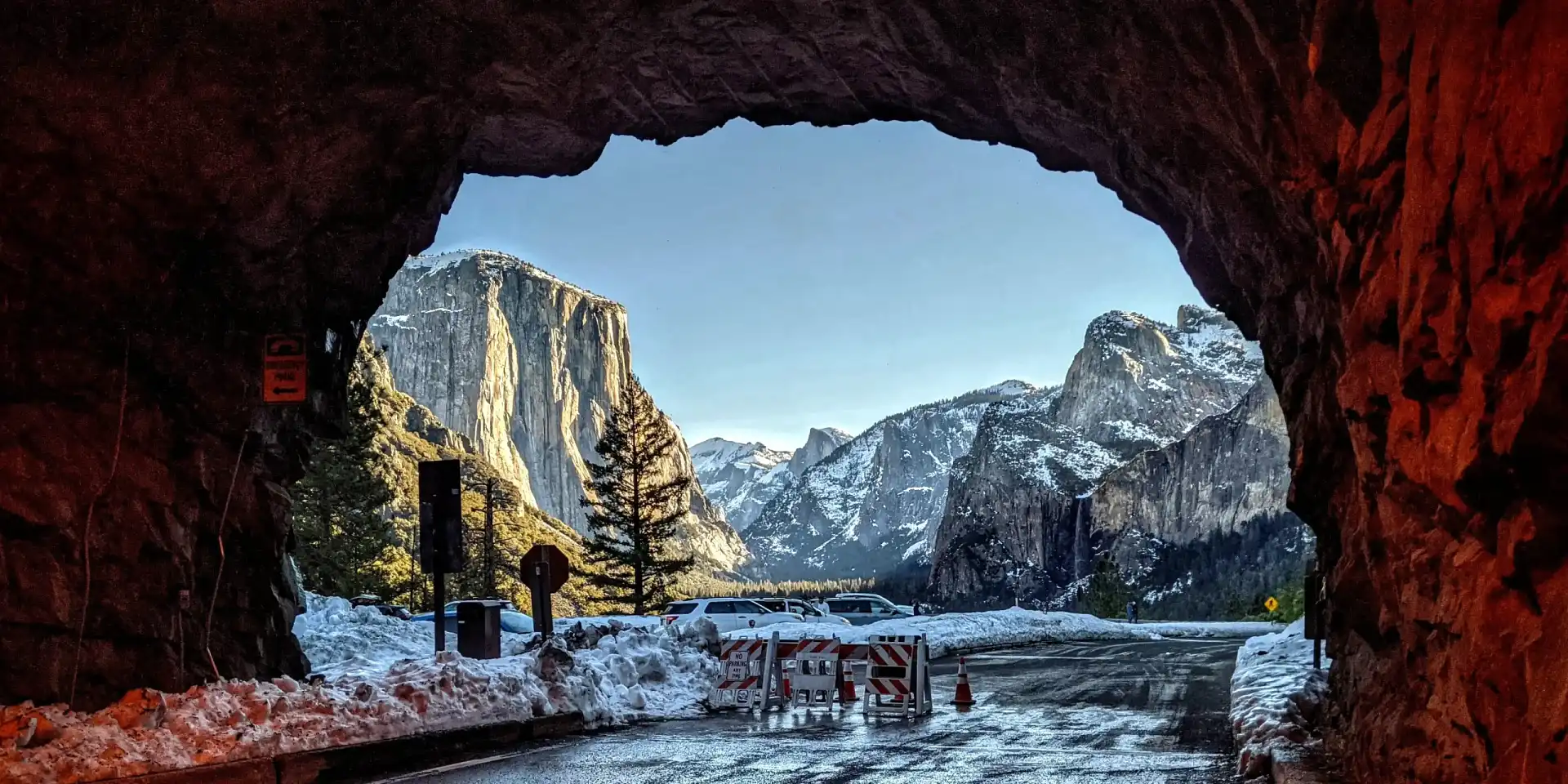
The Wawona Tunnel Rehabilitation Project focused on restoring and maintaining one of Yosemite National Park’s most critical transportation corridors. Originally completed in 1933, the Wawona Tunnel is the longest vehicular tunnel in California and provides essential access to Yosemite Valley, including the iconic Tunnel View. By 2013, decades of wear had resulted in structural cracks, water damage, and traffic-related degradation. The National Park Service initiated a targeted rehabilitation effort to address these issues without compromising the historic integrity of the tunnel. The project’s primary goals included improving drainage, repairing structural surfaces, and managing traffic with minimal disruption to visitors.
This rehabilitation effort significantly enhanced both the safety and lifespan of the tunnel while preserving its historic character and function. The project included detailed structural repairs, drainage system replacements, and surface refinishing—all executed with precision to maintain the tunnel’s original aesthetic. The work was scheduled strategically to avoid impacts during weekends and holidays, reducing inconvenience to the public. Vegetation was also cleared from the tunnel’s portals to prevent structural interference and improve visibility. Although no major awards were officially recorded, the project received strong support from preservation groups and the public for its balanced approach to conservation and modernization.
Preserving a Historic Gateway to Yosemite’s Iconic Views
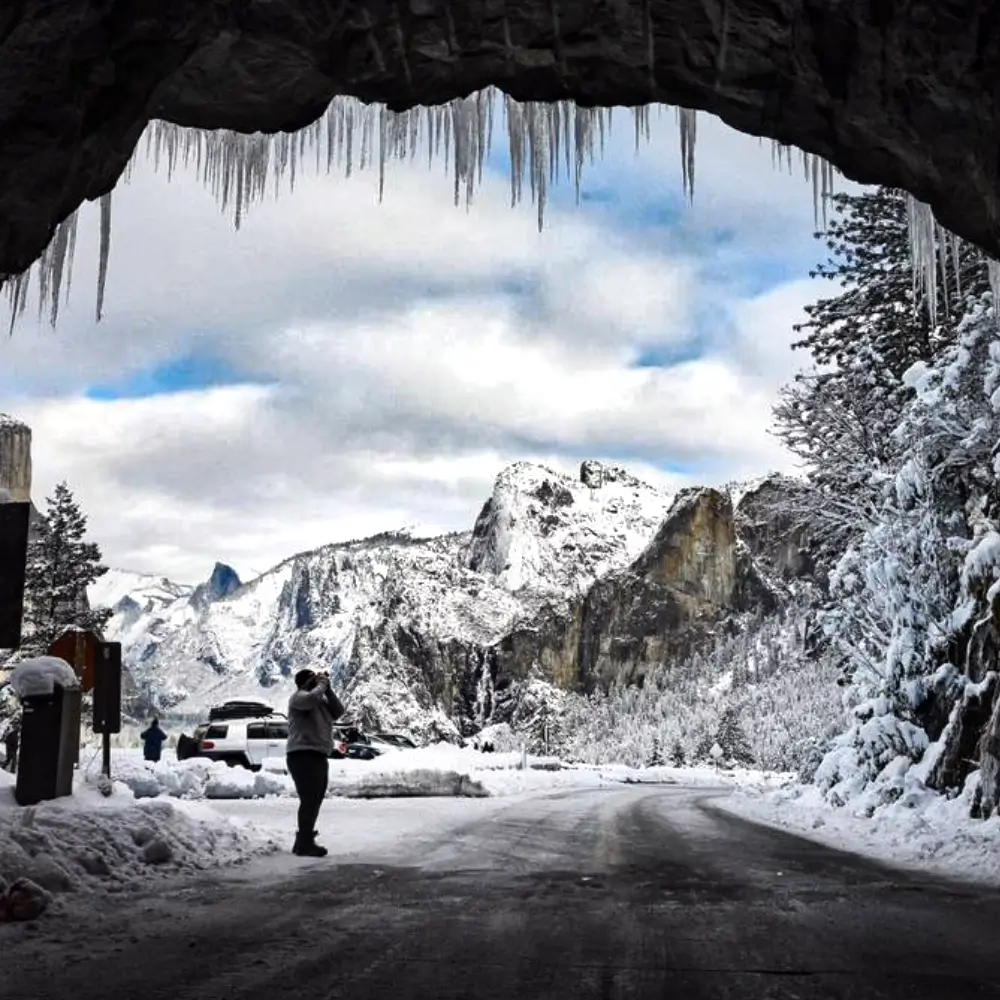
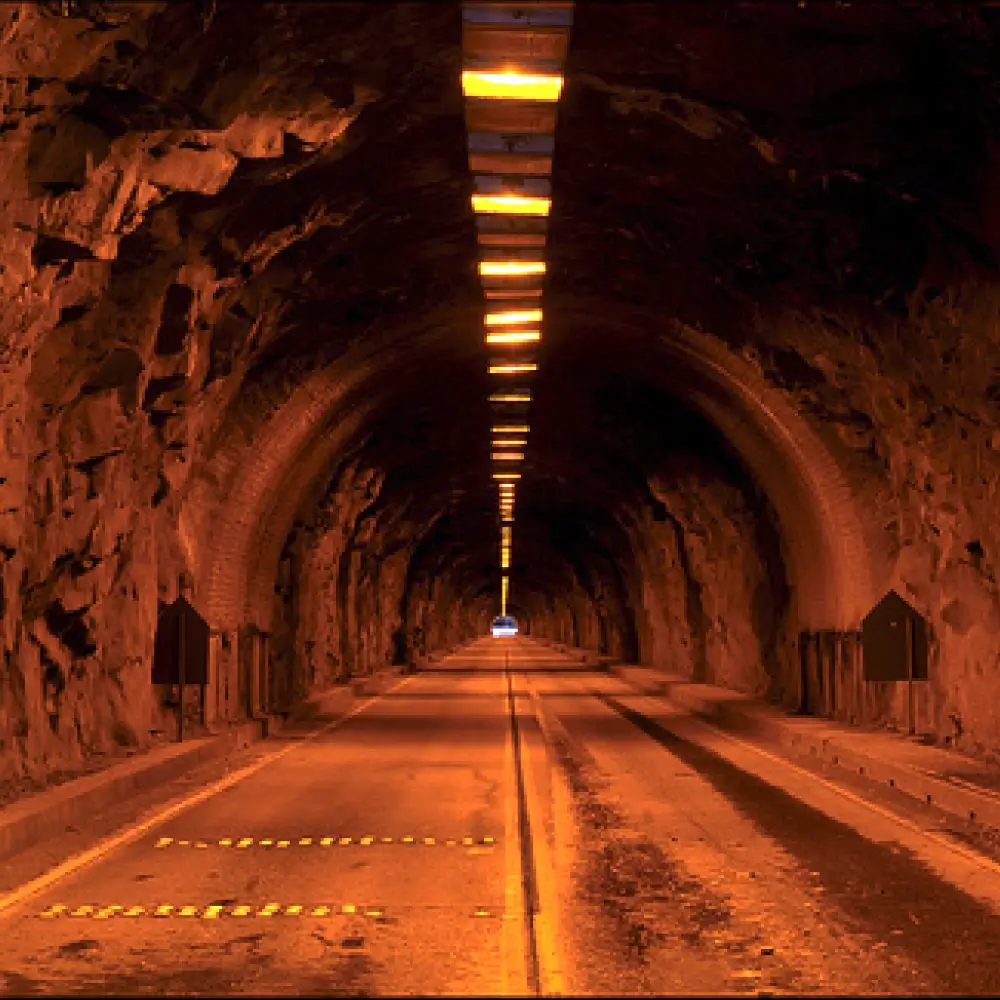
The Wawona Tunnel Rehabilitation was guided by the National Park Service’s mission to preserve historic assets while enhancing public safety. This project aligned with broader goals to maintain infrastructure that supports both conservation and access. It contributed long-term value by ensuring safe passage through one of the park’s most heavily traveled routes. At the same time, it respected the rustic design principles central to Yosemite’s cultural landscape. The result is an enduring structure that honors history while meeting today’s standards.
- Concrete repair of tunnel walls, ceilings, and floors
- Sealing of cracks and joints throughout the tunnel interior
- Cleaning and resurfacing of the tunnel roadway
- Removal of graffiti and aesthetic restoration
- Drainage system replacement, including drop inlets and cross drains
- Strategic vegetation removal at tunnel exits
- Pilot car operations and controlled traffic during construction
The Wawona Tunnel is located along Highway 41 in Yosemite National Park, California. This 4,233-foot-long tunnel serves as the southern gateway to Yosemite Valley and offers direct access to Tunnel View, one of the most photographed landscapes in the world. The tunnel is embedded in a steep granite mountainside and framed by forested terrain, requiring context-sensitive construction methods. Seasonal visitation peaks meant the project team needed to minimize traffic interruptions while ensuring safety. The site’s significance as both an engineering feat and cultural touchpoint influenced every aspect of the rehabilitation.
- 1933– Original tunnel construction completed
- 2013 (September)– Rehabilitation work began
- 2013 (December)– Structural repairs, drainage replacement, and resurfacing completed
- 2014– Final inspection and reopening with full access
- Current Status:Completed
The Wawona Tunnel Rehabilitation was executed with sustainability in mind by restoring existing infrastructure instead of pursuing more invasive replacements. Environmentally sensitive methods, such as selective vegetation removal and the use of low-impact construction materials, helped minimize ecological disruption. Efficient scheduling reduced idling and emissions from construction equipment and visitor vehicles. By extending the lifespan of the tunnel through preservation-based engineering, the project avoided the environmental and financial costs of future replacement. Innovative water management techniques also enhanced the structure’s resistance to seasonal weather fluctuations.
The project ensured that millions of annual visitors to Yosemite could continue to access the park safely and efficiently. Its successful execution minimized delays and protected one of the most treasured scenic routes in the National Park System. Local communities that depend on park tourism benefited from continued economic activity with minimal service interruption. The preservation of a historic structure also reinforced regional heritage and cultural pride. Overall, the rehabilitation contributed to both local stability and national park legacy.
Connect with an ACE Quality Control Project Manager to see how our hands-on approach, technical depth, and disciplined oversight set us apart.